Chemical conversion coating
Protection and adhesion for aluminum
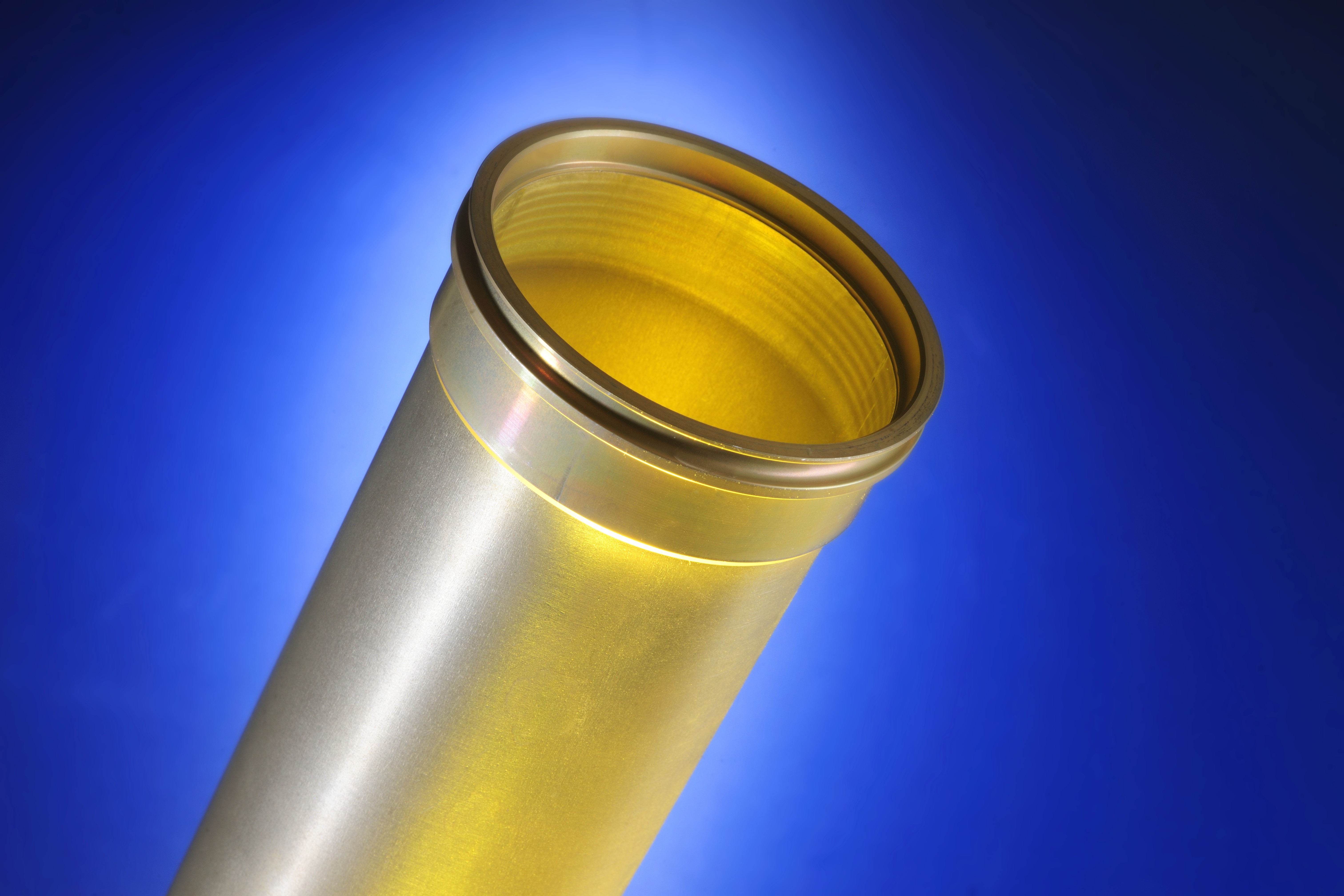
In a chemical conversion coating process, the surface of aluminum is chemically oxidized while maintaining electrical conductivity. This creates a thin conversion layer that protects against corrosion. This process is also known as alodining. A chemical conversion coating results in a surface finish ranging from clear to gold/brown iridescent. Due to its excellent adhesion properties and protection against filiform corrosion, a chemical conversion coating is an ideal pre-treatment for paint systems. It is also commonly used on sealing surfaces and to promote and/or maintain electrical conductivity.
We offer several options for chemical conversion coatings, such as Alodine 600, 1200, and 1500 (not RoHS-compliant), as well as Surtec 650A and Socosurf TCS-PACS (both RoHS-compliant).
Properties:
- Electrically conductive
- Corrosion protection
- Excellent adhesion for paint systems
- No effect on dimensional tolerances
A chemical conversion coating is particularly suitable for applications in the aerospace, aviation, automotive, and electrical industries.
Standard specification complied with:
MIL-DTL-5541, Type I or II, Class 1A or 3
- Type I: Standard conversion coatings that are not RoHS-compliant
- Type II: RoHS-compliant conversion coatings
- Class 1A: Enhanced paint adhesion and optimal corrosion resistance
- Class 3: Improved electrical conductivity
These processes are certified by NADCAP and various OEMs.
Curious how a chemical conversion coating can protect and enhance your products? We will be happy to advise you.
Please contact our Sales department: sales@surfacetreatment.nl
Maximum product dimensions:
Surface Treatment Netherlands: 3800 mm × 800 mm × 600 mm